
Why Well-Maintained Homes Perform Better Over Time

Care as a management lever, not a cost
A well-maintained home is not only more pleasing to a guest’s eye.
It is a home that suffers less damage, generates fewer exceptional repairs, requires less reactive management, and maintains a more stable perception of value.
Fewer issues, fewer exceptional repairs
When care is seen as a cost to squeeze, the outcome is almost always the same: problems surface later, often suddenly and in a disorganized way.
Care as a prevention tool
When, instead, care is integrated into the management method, it becomes a tool for prevention and control.
That is why, in our approach, care is not an “extra,” but an integral part of full property management (see the Services page).
What it really means to “take care of” a property
Taking care of a property does not simply mean furnishing it well at the beginning. It means following it over time.
Routine maintenance and continuity
Care includes routine maintenance, order in the spaces, the quality and consistency of cleaning, speed of interventions, and the ability to anticipate issues before they become critical.
Preventing is better than correcting
A home that is allowed to “slide” can still perform in the short term, especially in dynamic markets like Dubai. But it tends to deteriorate quickly, both operationally and reputationally.
This is one of the reasons why, in our working method, the phase of ongoing control and continuous supervision is central (see How We Work).
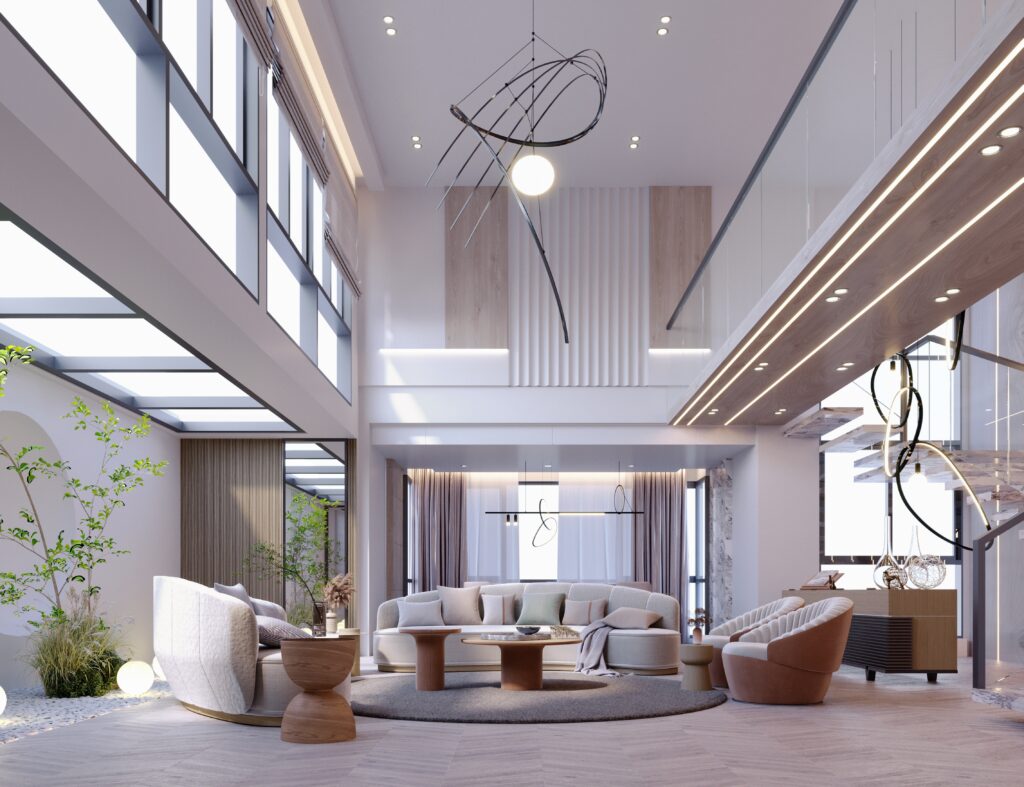
Why Well-Maintained Homes Perform Better Over Time
The role of platforms and reviews
Over time, even rental platform algorithms reward consistency. Better reviews, fewer disputes, and greater guest trust create a virtuous cycle that makes operations smoother.
Reviews do not happen by chance
But reviews do not happen by chance. They come from an experience that is consistent, repeatable, and reliable.
A consistent experience and expectations met
A well-maintained home reduces misunderstandings, lowers the number of reports, and limits unmet expectations.
This affects not only the rating scores, but also the type of guests the property attracts over time.
Care and control: the property manager’s perspective
From the perspective of who manages, care is also a matter of control. A home that is followed regularly is a predictable home. A neglected home becomes, instead, a continuous source of unexpected issues.
Control means predictability
That is why care cannot be separated from method. It is not enough to intervene when needed: constant presence is required, real supervision, and management that does not limit itself only to occupancy periods.
Limiting the portfolio as a quality choice
This approach requires time and attention and implies a clear choice: managing a limited number of homes, so they can truly be followed (as explained on the About page).
The owner’s perspective
Those who consider the home only as a container of nights sold often realize it too late. They realize it when recurring issues start, reviews become ambiguous, and unexpected expenses appear.
Orderly returns versus chaotic returns
Those who, instead, consider the property as an asset to preserve build stronger and more sustainable results. Not because they give up returns, but because they achieve them in a more orderly and lasting way. The difference is not the market. It is the approach.
Conclusion: why care makes the difference in the long term
Care is not an aesthetic choice, nor a whim. It is a management decision. Over time, it is precisely well-maintained homes that “work” better: with less operational stress, greater continuity, and a higher perceived value. And this principle is what our way of doing property management is built on.
If you want to understand whether your property can be managed with this approach, contact us.